
How is Structural Glass Made?
Structural glass is a modern architectural material that is designed to support loads and resist stresses, making it an ideal choice for applications where transparency and light transmission are desired. But how is structural glass made? In this section, we’ll take a closer look at the manufacturing process behind this remarkable material.
The first step in creating structural glass is to select the appropriate type of glass. This typically involves choosing between laminated glass and tempered glass, which are both designed to provide enhanced strength and durability.
Laminated glass is made by bonding two or more layers of glass together with a plastic interlayer which are EVA laminated glass, PVB laminated glass or SGP laminated glass. This creates a sandwich-like structure that is much stronger and more resistant to breakage than regular glass. Laminated glass is also highly resistant to impact and can provide excellent thermal insulation.
If you are wondering the difference between PVB and EVA you may interesting to read our comprehensive What is the difference between PVB and EVA article.
Tempered glass, on the other hand, is created by heating regular glass to a high temperature and then rapidly cooling it. This creates a strong outer layer that is highly resistant to breakage and impact. Tempered glass is also more resistant to thermal stresses than regular glass.
Once the appropriate type of glass has been selected, the next step is to cut it to the desired shape and size. This is typically done using automated cutting machines, which are programmed to create precise cuts with minimal waste.
After the glass has been cut, it is polished to remove any sharp edges and create a smooth, even surface. This is important not only for aesthetic reasons but also to ensure that the glass is structurally sound.
The final step in the manufacturing process is to assemble the glass panels into the desired configuration. This may involve bonding the panels together with structural adhesives or framing them with metal or other materials. The resulting structure is then rigorously tested to ensure that it meets the required safety and performance standards.
In summary, the manufacturing process behind structural glass involves selecting the appropriate type of glass, cutting it to size, polishing it to create a smooth surface, and assembling it into the desired configuration. With its impressive strength, durability, and versatility, structural glass has transformed modern architecture and continues to be an essential material for designers and architects alike.
Characteristics of Structural Glass
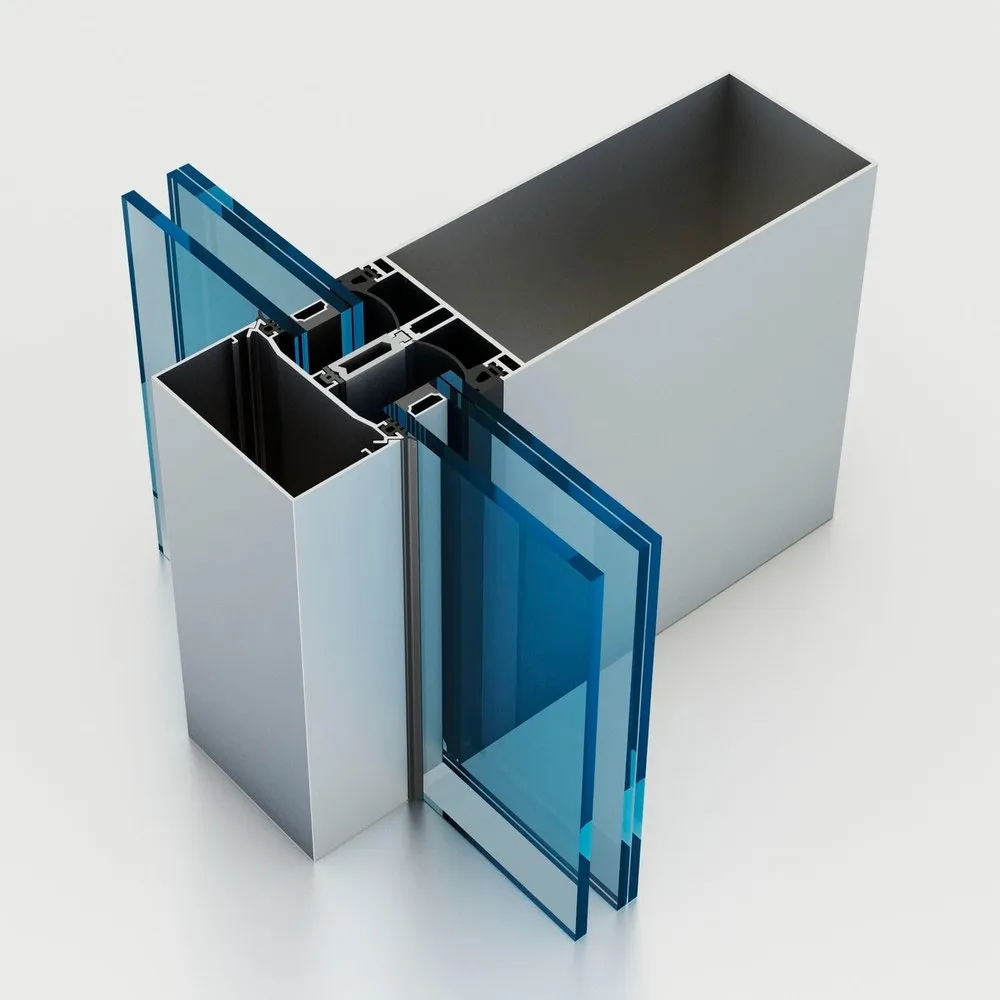
Structural glass is a unique material that offers a range of characteristics that make it ideal for a variety of applications in modern architecture. In this section, we’ll explore some of the key characteristics of structural glass and how they make it such a popular material for designers and architects.
Strength: One of the most important characteristics of structural glass is its strength. Tempered or laminated glass is used in structural glass applications because it is much stronger and more resistant to breakage than traditional glass. This allows it to support large loads and resist stresses without cracking or breaking.
Stiffness: In addition to its strength, structural glass is also incredibly stiff. This means that it resists deformation and maintains its shape even under heavy loads. This property is particularly important in applications like curtain walls, where the glass needs to remain flat and straight to maintain its appearance.
Transparency: Another key characteristic of structural glass is its transparency. Structural glass is highly transparent, which allows it to be used in applications where visibility and natural light are desired. This makes it an ideal material for skylights, curtain walls, and other applications where natural light is an important consideration.
Durability: Structural glass is also incredibly durable. It is resistant to weathering, corrosion, and other forms of degradation, which makes it ideal for outdoor applications like bridges and canopies.
Safety: Structural glass is designed to be safe. Tempered or laminated glass is used in structural glass applications because it is much safer than traditional glass. If it does break, it will break into small, rounded pieces that are less likely to cause injury.
Customizable: Structural glass is highly customizable. It can be cut to almost any size or shape, and it can be tinted or coated to achieve a variety of aesthetic effects. This makes it an ideal material for custom applications like atriums or lobbies.
Lightweight: Despite its strength and stiffness, structural glass is surprisingly lightweight. This makes it an ideal material for applications where weight is a consideration, such as in bridges or other large-scale structures.
In conclusion, the key characteristics of structural glass – including its strength, stiffness, transparency, durability, safety, customizability, and lightweight – make it a versatile and popular material for modern architecture. Its unique properties allow designers and architects to create open and light-filled spaces that are both aesthetically pleasing and functional.
Advantages of Structural Glass
Structural glass is a popular construction material that offers several advantages over traditional building materials like wood, steel, and concrete. In this section, we will explore the various advantages of structural glass and how it can benefit your building projects.
Aesthetic Appeal: Structural glass offers a sleek and modern look that is visually appealing. The glass provides an unobstructed view and can make the building look larger and more open. The use of structural glass can add a unique and impressive aesthetic touch to a building and attract more customers or clients.
Natural Lighting: One of the most significant advantages of using structural glass is its ability to allow natural light into a building. This reduces the need for artificial lighting, which can save energy and money in the long run. The natural lighting also provides a more pleasant environment, boosting employee productivity and well-being.
Energy Efficiency: Structural glass has excellent insulating properties that help to reduce heating and cooling costs. The glass can trap heat during the winter, while the reflective coating can reflect sunlight during the summer, reducing the need for air conditioning. Energy-efficient buildings are also more attractive to potential tenants, as they are more cost-effective.
Durability: Structural glass is incredibly durable and resistant to environmental elements, such as wind, rain, and temperature changes. The glass is also resistant to scratches, stains, and corrosion. This durability ensures that the building remains looking new for an extended period and can reduce maintenance costs.
Safety and Security: Structural glass is shatter-resistant and can withstand high impact forces, making it an excellent choice for building facades, skylights, and roofs. In addition, the use of laminated or tempered glass provides enhanced safety and security features. Laminated glass can hold together if shattered, while tempered glass shatters into small pieces that are less likely to cause injury.
Acoustic Insulation: Structural glass also provides excellent sound insulation, making it ideal for buildings that require a quiet environment. The glass can reduce noise from outside, providing a more peaceful and comfortable living or working environment.
Sustainability: Structural glass is an eco-friendly material that is 100% recyclable. The use of structural glass in building construction can help reduce carbon footprint, thereby helping to promote sustainability and eco-friendliness.
Cost-Effective: Structural glass is a cost-effective material that can save money in several ways. For example, the natural lighting provided by structural glass reduces the need for artificial lighting, which can significantly reduce electricity costs. The energy efficiency of structural glass also helps reduce heating and cooling costs.
Versatility: Structural glass can be used in several applications, including walls, roofs, skylights, and floors. The versatility of structural glass allows for unique and creative building designs that can stand out from traditional buildings.
Increases Property Value: Structural glass is a unique and innovative building material that can increase the value of a property. The use of structural glass can make a building more attractive, energy-efficient, and environmentally friendly, thereby increasing its overall value.
In conclusion, structural glass is an excellent building material that offers several advantages over traditional building materials. The use of structural glass can improve the aesthetic appeal, energy efficiency, durability, safety, security, and sustainability of a building. With its versatility and cost-effectiveness, it is no wonder that structural glass is becoming an increasingly popular choice for building construction.
Types of Structural Glass
Structural glass can be classified into several types, each with its own unique properties and applications. In this section, we’ll explore some of the most common types of structural glass used in building design.
Tempered glass: Tempered glass is a type of safety glass that has been heat-treated to increase its strength and durability. It is often used in building facades and can also be used for interior applications such as shower enclosures or glass doors. Tempered glass is less prone to breakage than regular glass, and if it does break, it will shatter into small, rounded pieces rather than sharp, jagged shards.
Laminated glass: Laminated glass is made by sandwiching a layer of plastic interlayer between two or more layers of glass. This interlayer helps to hold the glass together in the event of breakage, making it an ideal safety glass for high-risk applications such as overhead glazing, skylights, and balustrades. Laminated glass can also be designed to improve acoustic performance, by using special acoustic interlayers.
Insulated glass: Insulated glass, also known as double-glazed or triple-glazed glass, is made by sandwiching two or more panes of glass with a sealed air gap in between. The air gap acts as an insulator, helping to reduce heat transfer and improve energy efficiency. Insulated glass can also help reduce noise transmission and is often used in areas with high levels of external noise.
Low-iron glass: Low-iron glass, also known as extra-clear glass, is a type of glass that has a low iron content. This makes it clearer and more transparent than regular glass, and ideal for applications where maximum transparency is required, such as structural glass facades or display cases.
Coated glass: Coated glass is a type of glass that has been treated with a special coating to improve its performance. For example, it can be coated with a low-emissivity coating to reduce heat transfer, or with a reflective coating to reduce solar heat gain. Coated glass can also be used to improve security by providing a one-way mirror effect.
n summary, there are several types of structural glass available for building design, each with its own unique properties and applications. These include tempered glass, laminated glass, insulated glass, low-iron glass, and coated glass. The choice of glass type will depend on several factors, including the application, performance requirements, and design considerations.
Applications of Structural Glass
Structural glass is a versatile building material that can be used in a wide range of applications. In this section, we’ll explore some of the most common applications of structural glass in building design.
Facades: Structural glass facades are a popular choice for modern buildings, providing a sleek and contemporary look. Glass facades can be designed to provide natural light and views while also offering energy efficiency and thermal performance. Glass facades can be made from a range of glass types, including tempered glass, laminated glass, and low-iron glass.
Skylights: Structural glass can also be used for skylights, allowing natural light to flood into interior spaces. Skylights can be made from laminated glass, insulated glass, or a combination of both, depending on the required performance criteria.
Staircases: Glass staircases can create a stunning visual impact, and structural glass is a popular choice for these applications. Glass staircases can be made from tempered glass or laminated glass, and can be designed with a range of finishes and textures to suit the design requirements.
Balustrades: Glass balustrades provide a modern and minimalist look while also offering safety and security. Balustrades can be made from laminated glass or tempered glass, and can be designed with a range of finishes and textures.
Canopies: Glass canopies are a popular choice for entrances and walkways, providing shelter while also allowing natural light to filter through. Glass canopies can be made from laminated glass or insulated glass, depending on the required performance criteria.
Interior partitions: Glass partitions can create a sense of openness and transparency while also providing privacy and sound insulation. Glass partitions can be made from tempered glass or laminated glass, and can be designed with a range of finishes and textures.
In summary, structural glass can be used in a wide range of applications in building design, including facades, skylights, staircases, balustrades, canopies, and interior partitions. The choice of glass type and design will depend on several factors, including performance requirements, design considerations, and aesthetic preferences. With its versatility and modern appeal, structural glass is a popular choice for architects and designers alike.